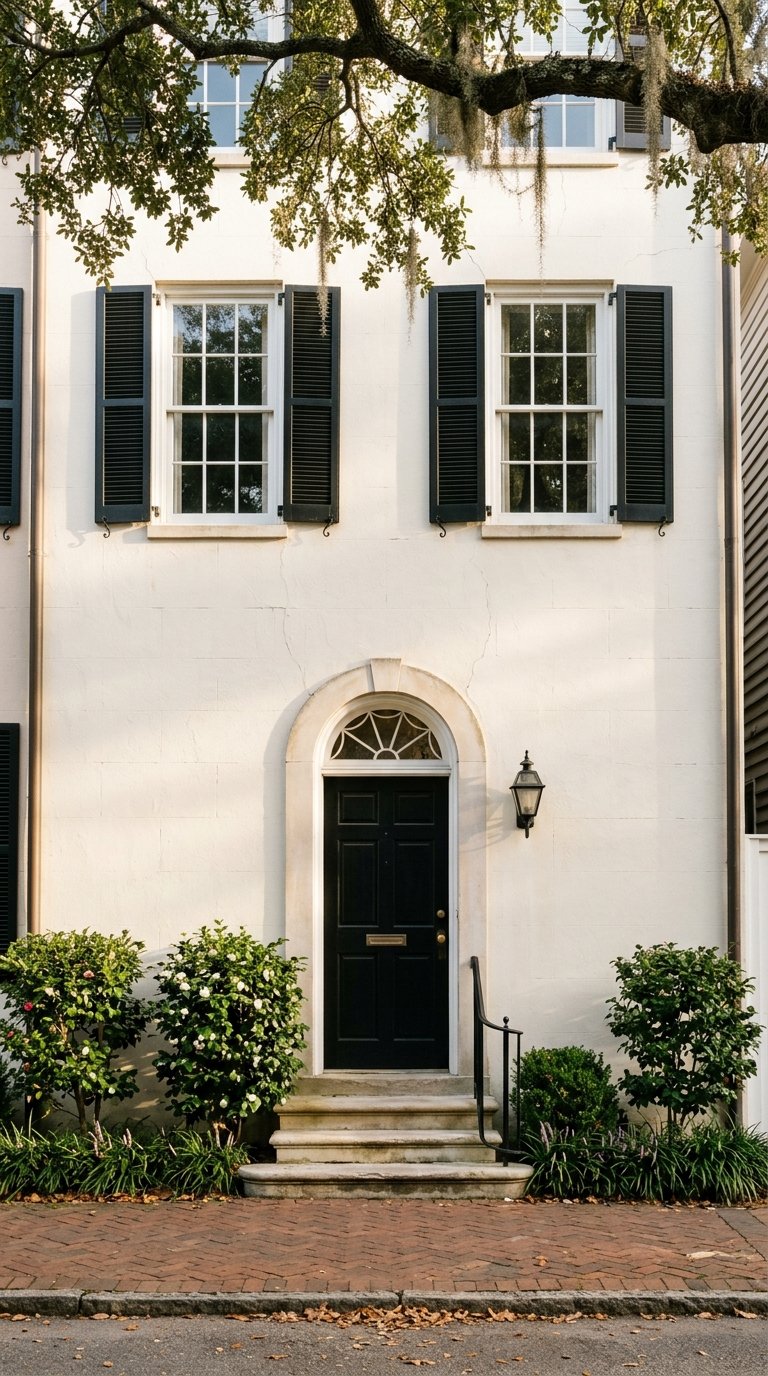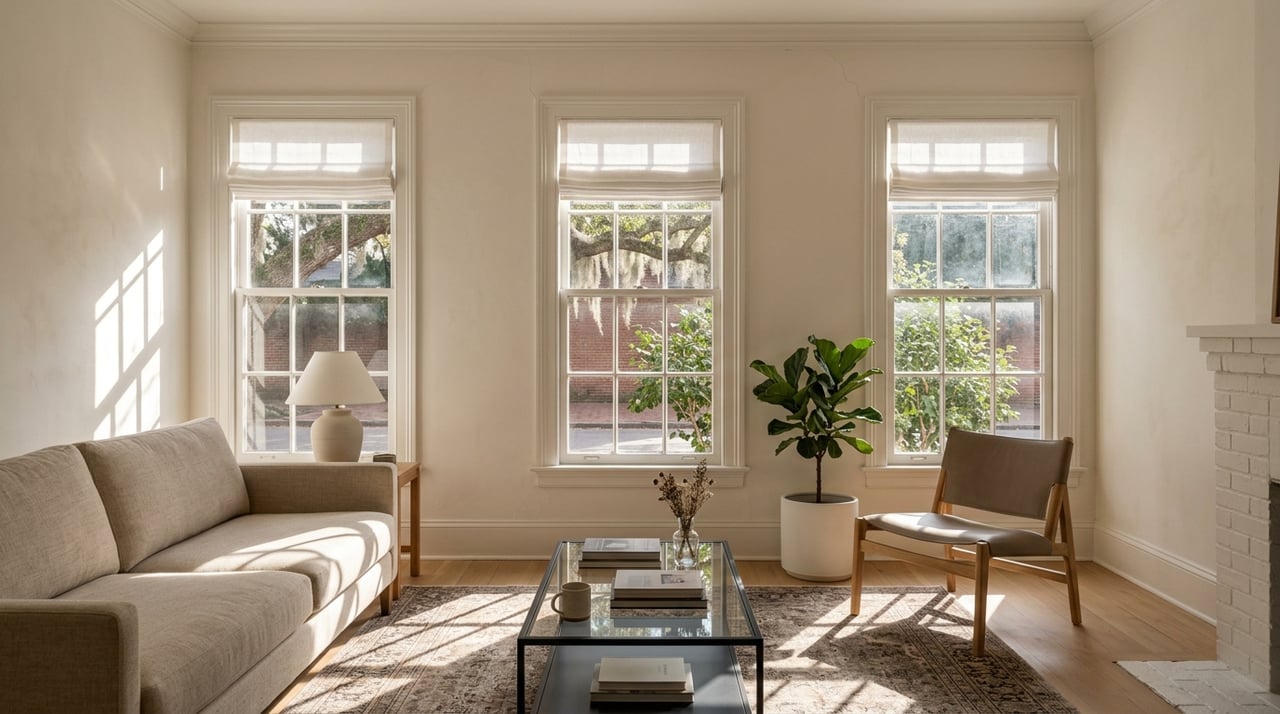
Picture yourself living in Savannah’s Historic District. Do you want a lock-and-leave condo, a townhome with a bit more breathing room, or a detached house with the strongest sense of ownership? If you are weighing your options, the right answer depends less on square footage alone and more on how you want to live day to day, what level of upkeep you want to handle, and how comfortable you are with local rules. This guide will help you compare each option in practical terms so you can make a confident choice in Savannah’s most iconic urban setting. Let’s dive in.
Why home type matters here
Savannah’s Downtown Historic District offers a lifestyle that is hard to duplicate. The Historic Squares shape the experience of the area, and the downtown core is known for restaurants, art spaces, museums, and shops.
But this is not just a location decision. The district is also a regulated historic overlay, which means many exterior changes and most new construction or major renovations are subject to review by city preservation staff and local review boards. That can affect how much freedom you have after you buy.
Start with what you actually own
Before you compare lifestyle, start with ownership. In the Historic District, that detail can shape your monthly costs, maintenance duties, and future flexibility more than the exterior look of the property.
Condo ownership
A condo is a form of ownership, not a building style. You own your individual unit, while shared elements like the exterior and common areas are typically jointly owned and maintained through the association.
That means a condo can be a unit in a larger building, but it can also look like a multistory townhome. If you are shopping downtown, do not assume the facade tells you the legal setup.
Townhome ownership
A townhome is usually a building form. These homes sit side by side and share at least one wall, but the ownership structure can vary.
Some townhomes are fee-simple properties, while others are legally condos. That is why reviewing the governing documents matters. What looks like a house-style property may still come with condo-style rules and responsibilities.
Single-family house ownership
A single-family house usually offers the clearest ownership picture. You typically own the structure and the land, and you are responsible for the full scope of upkeep.
In Savannah’s Historic District, that greater control can be appealing. It also means you are more directly responsible for maintenance, planning, and any exterior work that may need city review.
Condos in the Historic District
For many buyers, condos are the easiest entry into downtown living. They tend to fit a walkable, low-maintenance lifestyle, which pairs well with the urban character of the Historic District.
Best fit for condo buyers
A condo may be the best choice if you want:
- Lower exterior-maintenance responsibility
- A more lock-and-leave setup
- Easy access to downtown amenities
- A home that supports a busy schedule or second-home use
Condos often appeal to buyers who want convenience first. If you would rather spend your time enjoying the city than managing a roof, exterior paint, or landscaping, this option may feel like the best match.
What to watch with condos
The tradeoff is less control. Association rules may shape what can be done to the unit, building, and shared spaces.
Monthly dues also matter. Condo fees are usually paid separately from your mortgage, and they may cover exterior repairs, common-area maintenance, and sometimes utilities like water, sewer, or trash. A lower purchase price does not always mean a lower monthly cost.
Historic District condo reality
In this location, condo living can reduce some maintenance burden, but it does not remove the local regulatory backdrop. Exterior changes to the building may still fall under historic district review, and association rules can add another layer.
If rental flexibility matters to you, read the condo documents carefully. Savannah’s short-term vacation rental rules require a certificate, and new non-owner-occupied STVRs in the Downtown and Victorian districts are subject to a 20% per-ward cap.
Townhomes in the Historic District
Townhomes sit in the middle of the spectrum. They often offer a more house-like feel than a condo while still reducing some of the upkeep that comes with a detached home.
Best fit for townhome buyers
A townhome may be the right option if you want:
- More privacy than a typical condo
- Less exterior maintenance than a detached house
- A multilevel layout with a more traditional residential feel
- A balance between convenience and independence
For buyers who want a practical middle ground, townhomes can make a lot of sense. They often feel more residential while keeping maintenance more manageable than a standalone house.
What to watch with townhomes
The key issue is responsibility. An HOA may handle some exterior maintenance, all of it, or very little of it.
That is why the governing documents matter so much. You need to know who handles roofs, exterior walls, shared elements, drainage, and insurance responsibilities before you decide whether the monthly fees feel worthwhile.
Historic District townhome reality
Townhomes in the Historic District can be especially appealing if you want city living with a bit more separation. Still, they come with the same need for due diligence around parking, preservation review, and rental rules.
And because some townhomes are legally condos, it is smart to focus less on appearance and more on the exact ownership and maintenance structure.
Houses in the Historic District
If you want the strongest sense of control, a detached house usually wins. It offers the most privacy and the clearest autonomy, but it also asks the most from you as an owner.
Best fit for house buyers
A single-family house may be the best choice if you want:
- Maximum control over your property
- More privacy and separation
- The strongest sense of ownership
- Space for long-term customization, subject to local review
For many buyers, this is the most emotionally compelling option. A historic house can deliver character, presence, and a real sense of stewardship.
What to watch with houses
You are responsible for everything. That includes the roof, gutters, siding or trim, drainage, porches, stairs, and routine exterior upkeep.
In a historic district, the planning process can also take more time. Certain exterior changes may require a Certificate of Appropriateness, so projects that might feel simple elsewhere can involve added review here.
Historic District house reality
A detached house gives you the most freedom in day-to-day living, but not unlimited freedom. The district’s preservation standards and visual compatibility rules mean that visible exterior work may need approval.
That does not make owning a house harder by default. It does mean you should be ready for a more hands-on ownership experience.
Compare the true monthly cost
In the Historic District, the smartest comparison is not just sale price. It is total carrying cost.
Fees versus direct upkeep
A condo or townhome may come with monthly association dues. Those dues are usually separate from your mortgage payment, and they can range from a few hundred dollars a month to more than $1,000 depending on the property and what is covered.
A house may not have the same dues, but you will likely pay directly for exterior repairs, maintenance, and landscaping over time. In other words, the lower-fee option is not always the lower-cost option.
Property tax context
In Chatham County, real property is assessed at 40% of fair market value. The City of Savannah’s 2025 net millage rate was 11.749 mills, but buyers should expect county, school, transit, and city taxes to layer together rather than treating the city rate as the full bill.
That is another reason to evaluate the complete ownership picture before you buy. The monthly math should include taxes, insurance, dues if any, and likely maintenance.
Flood, insurance, and risk
Savannah’s beauty comes with practical coastal considerations. Many acres in Chatham County are in floodplains because of the area’s flat topography and proximity to the Atlantic Ocean and Savannah River.
Why flood zone matters early
If a property is in a designated Special Flood Hazard Area, flood insurance is generally required for a mortgage. Regular homeowners insurance does not include flood insurance, so this can materially change your monthly cost.
The City of Savannah also adopted a two-foot freeboard above base flood elevation for new and substantially improved structures in the 100-year floodplain effective January 1, 2025. For buyers considering major renovation plans, that is an important local detail.
Ownership type affects insurance too
With a condo, the association may cover exterior damage and common areas, while you may be responsible for interior coverage. With a house, your coverage responsibilities are usually broader.
A townhome can land somewhere in between. The exact answer depends on the ownership structure and governing documents.
Parking and rental flexibility
These two issues can shape daily life in the Historic District as much as floor plan or finishes.
Parking is not a given
Savannah’s zoning standards include off-street parking requirements, but downtown properties may qualify for reductions, exemptions, or alternative parking methods. That means you should never assume an assigned space, garage, or easy parking arrangement.
If parking matters to your lifestyle, confirm exactly what comes with the property. This is especially important if you are choosing between a condo, townhome, and detached house in a dense urban setting.
Short-term rental plans need local review
If future rental use is part of your strategy, do your homework before you buy. Savannah defines a short-term vacation rental as lodging for no more than 30 consecutive days and requires a city STVR certificate.
The city allows STVRs in the Downtown local historic district overlay, but new non-owner-occupied STVRs in the Downtown and Victorian districts are subject to a 20% per-ward cap. Association rules may also limit rental activity even if city rules allow it.
How to choose the right fit
The best property type in Savannah’s Historic District depends on how much control, maintenance, and regulatory friction you want to carry.
Choose a condo if you value convenience
A condo is often the best fit if your top priorities are walkability, lower exterior-maintenance responsibility, and a simpler lock-and-leave lifestyle.
Choose a townhome if you want balance
A townhome often makes sense if you want more of a house feel but still want some shared maintenance and a more manageable ownership experience.
Choose a house if you want control
A detached house is usually the strongest fit if you want privacy, autonomy, and the fullest ownership experience, and you are comfortable handling upkeep and local preservation review.
In the end, the right choice is personal. In Savannah’s Historic District, your decision should reflect not only what you want to buy, but also how you want to live once you are there.
If you are comparing options in the Historic District and want a polished, detail-driven perspective on ownership, costs, and long-term fit, The Agency Savannah is here to help you navigate the decision with clarity.
FAQs
What is the difference between a condo and a townhome in Savannah’s Historic District?
- A condo is a legal form of ownership, while a townhome is usually a building style. In the Historic District, a townhome can sometimes be legally structured as a condo, so the governing documents matter more than the exterior look.
Which home type has the least maintenance in Savannah’s Historic District?
- Condos usually have the lowest exterior-maintenance burden because associations often handle exterior repairs and common areas. You should still review the association documents to see exactly what is covered.
Which home type gives you the most control in Savannah’s Historic District?
- A single-family house usually gives you the most control because you typically own the structure and land outright. However, exterior changes in the Historic District may still require city review.
Do Savannah Historic District properties have parking requirements?
- Downtown properties may be subject to parking reductions, exemptions, or alternative parking methods under city standards. You should confirm exactly what parking, if any, is included with a specific property.
Do you need flood insurance for a home in Savannah’s Historic District?
- If the property is in a designated Special Flood Hazard Area and you are getting a mortgage, flood insurance is generally required. Buyers should verify flood zone status early because it can affect both cost and lender requirements.
Can you use a Historic District property as a short-term vacation rental in Savannah?
- Savannah allows STVRs in the Downtown local historic district overlay, but a city STVR certificate is required. New non-owner-occupied STVRs in the Downtown and Victorian districts are also subject to a 20% per-ward cap, and association rules may add restrictions.