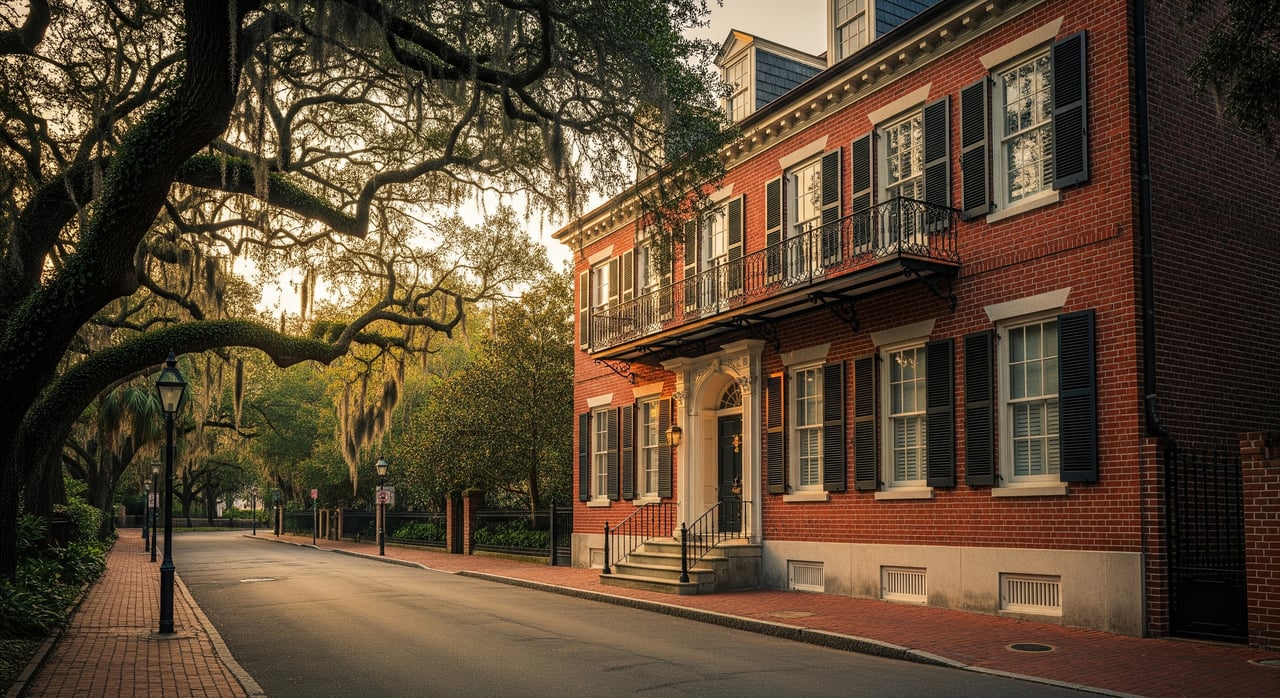
What if your favorite vacation day became your everyday? In Savannah’s Historic District, you wake to oak-lined streets draped in Spanish moss, stroll past storied facades, and grab coffee on your way to a leafy square. If you’re drawn to walkability, architecture, and culture, this neighborhood offers a rare blend of beauty and convenience. In this guide, you’ll get a practical look at daily life, housing, preservation rules, risk considerations, and who this area fits best. Let’s dive in.
Historic District at a glance
Savannah’s Historic District is one of the nation’s largest continually preserved urban districts and anchors the city’s downtown core. It includes River Street, Broughton Street, City Market, Forsyth Park, and a mix of galleries, museums, and restaurants. A defining feature is its 22 public squares, part of the Oglethorpe plan, that give you a pocket park within a short walk of most homes.
You’ll also feel the creative energy here. SCAD’s presence brings student life, exhibitions, and performances that keep the neighborhood arts-forward throughout the year. With so many amenities in close reach, you can live a car-light lifestyle while enjoying a true urban setting.
Walkability and getting around
If you value walking to errands, this is your place. Many residents walk or bike to cafes, markets, and workplaces within the district. Chatham Area Transit serves the area, and rideshare is common for longer trips.
Be prepared for historic infrastructure. Brick and cobbled streets and older sidewalks add charm but can be uneven. Driving and parking are tighter than in the suburbs, so plan for permits, paid garages, or a dedicated spot if that’s a priority for you.
Daily rhythm and seasons
Weekdays hum with residents, downtown workers, students, and visitors. Evenings and weekends are lively, with outdoor dining, music, and events that spill into the squares and River Street. The cadence is part of the appeal if you enjoy activity right outside your door.
Tourism ebbs and flows by season. St. Patrick’s Day is a major city event that brings big crowds, road closures, and festive energy. In warmer months, outdoor dining expands and the district feels especially social. If you crave quiet, consider interior blocks away from peak visitor corridors.
Homes and architecture
Property types you’ll see
- Historic rowhouses and attached townhomes from the 18th and 19th centuries
- Single-family homes in Federal, Georgian, Greek Revival, Victorian, Italianate, and Colonial Revival styles
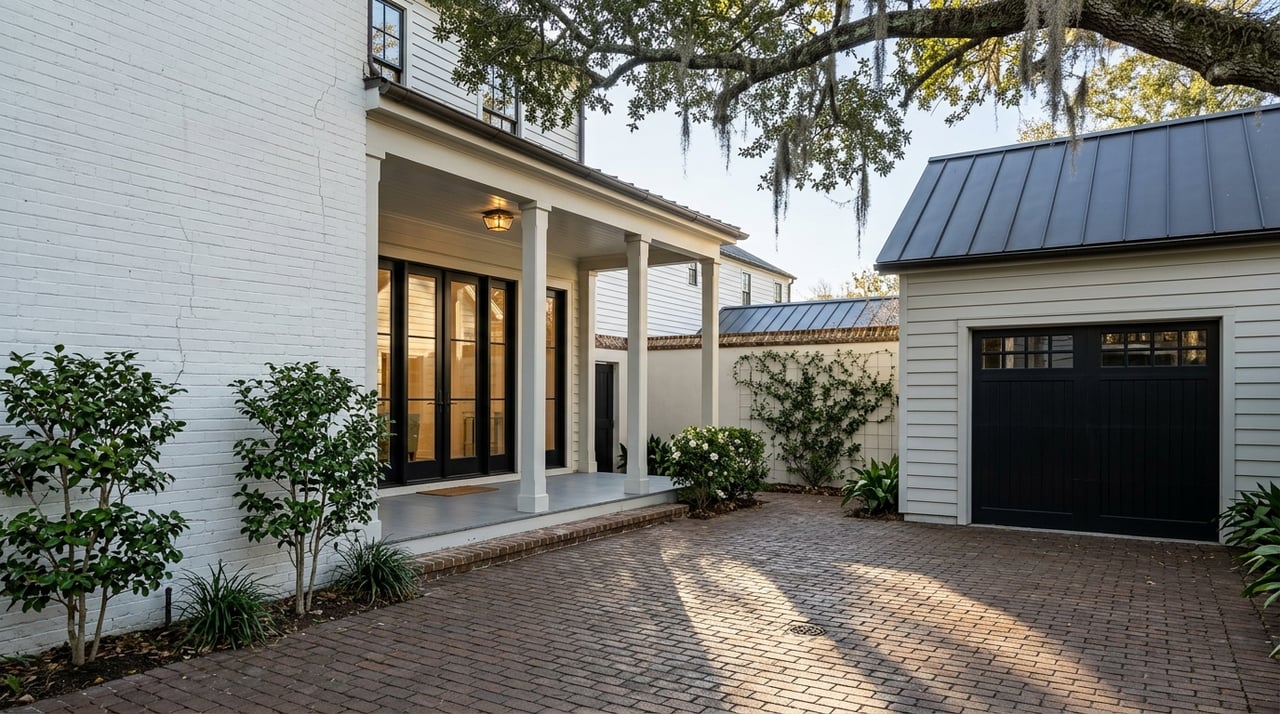
- Carriage houses and rear-lot outbuildings converted to residences
- Adaptive-reuse lofts and condominiums in former commercial buildings
- Thoughtful infill that must complement historic character
Common period details
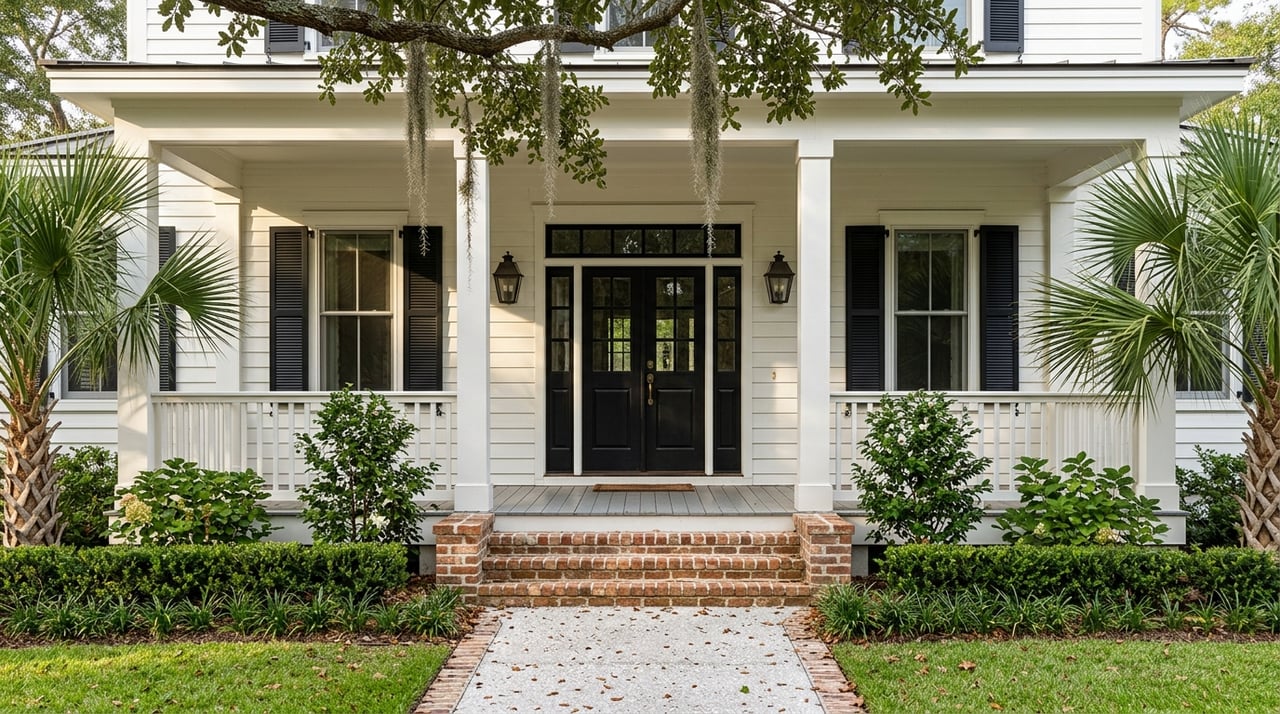
Expect tall ceilings, narrow lots, raised basements, piazzas or porches, and a mix of wood-frame and masonry construction. Many streets feature mature live oaks, brick paths, and facades that are visually regulated to maintain a cohesive streetscape. These details are part of what protects value and makes the district feel timeless.
Preservation and renovation rules
The Historic District operates under city preservation guidelines. Exterior changes, additions, demolitions, and many material choices typically require review and approval by the city’s historic-preservation body. Interior work is generally more flexible, but projects that affect protected historic fabric can still trigger oversight.
The trade-off is clear. You gain stronger neighborhood character and potential resale benefits, but you should plan for longer timelines, more specialized materials, and higher renovation costs than you might see in newer areas. Working with experienced contractors and consultants is essential.
Inspections, insurance and risk
Older homes deserve careful inspections. Common findings include aging foundations or brick, wood rot, termite damage, outdated electrical panels, knob-and-tube or aluminum wiring in older properties, galvanized pipes, and limited insulation or older HVAC. Homes built before 1950 may include lead-based paint, which requires specific handling during any renovation.
Flood and wind risk are part of coastal life. Many properties near the river or at lower elevations fall within FEMA flood zones or experience tidal or nuisance flooding. Lenders may require flood insurance, and premiums can vary. During hurricane season, from June 1 through November 30, impact-rated features and documented mitigation can be valuable.
Short-term rentals and investment
Because of its proximity to attractions, the Historic District has a notable concentration of short-term rentals. The city typically requires registration or permits, transient lodging taxes, and compliance with local ordinances. If you plan to rent, verify current rules and neighborhood covenants before underwriting potential income.
Model seasonality into your projections. Demand often spikes around major events and popular travel months, then normalizes. A property-by-property review, including location within the district and building type, will give you the clearest picture of performance potential.
Financing and restoration incentives
If you’re considering a renovation, conventional loans and renovation-specific products like FHA 203(k) or Fannie Mae HomeStyle Renovation are common paths, subject to current availability and underwriting. For income-producing properties, you may be eligible for federal or state historic tax credits. Local grants or incentives occasionally support preservation goals. Always verify today’s programs with the city’s Historic Preservation office and relevant state agencies.
Who thrives here
This neighborhood fits buyers who prioritize walkability, architecture, and cultural access. Professionals working downtown, creatives and artists with SCAD ties, empty nesters seeking a lock-and-leave residence, and second-home owners who want an urban getaway all find a natural match here.
If you want a large yard, plentiful private parking, or a car-centered routine, you may be happier in a suburban neighborhood. Many families consider a range of schooling options across the wider area and choose what aligns with their needs.
Historic vs. suburbs
- Density and lots: Expect small lots or attached homes in the Historic District; suburbs often offer larger lots and detached homes.
- Mobility: The district is highly walkable with limited parking; suburbs are car-dependent with garages and driveways.
- Daily experience: Downtown brings lively dining, events, and visitor traffic; suburbs tend to be quieter day to day.
- Schools and routines: Suburban neighborhoods often have different public-school zones and nearby options; in the Historic District, many households explore private options or accept varied public-school assignments.
Historic vs. islands
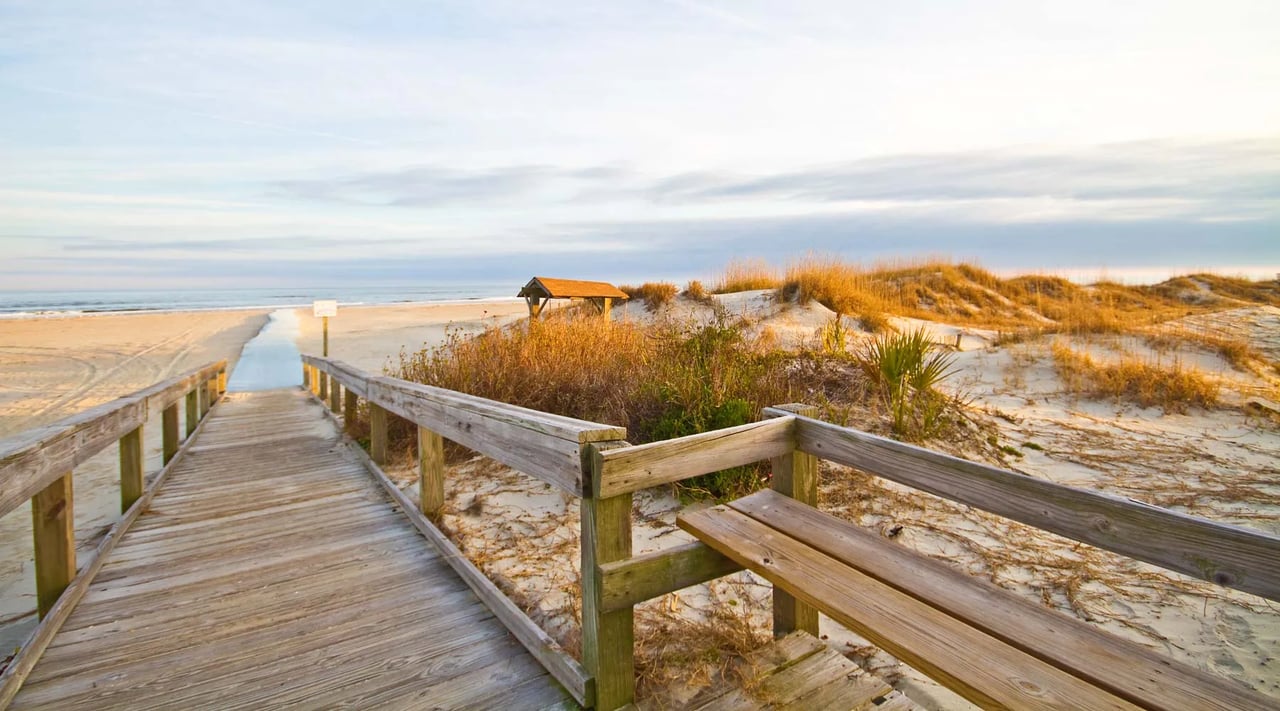
Lifestyle: The Historic District offers an urban, arts-and-culture experience. Island communities like Tybee Island or Isle of Hope focus more on beach and recreation.
Real estate: Islands skew toward single-family homes, often with elevated foundations and coastal construction considerations. Downtown properties vary widely, from lofts to restored townhomes.
Commute and amenities: The district is central to downtown employers and cultural venues. Islands require more routine driving for city services and nightlife.
What to know before you buy
- Walk the block at different times: Visit weekdays, weekends, mornings, and nights to gauge noise, activity, and parking.
- Plan for preservation: Budget time and cost for exterior approvals and historically appropriate materials.
- Inspect thoroughly: Hire inspectors and contractors with historic-home experience to assess wiring, plumbing, structure, and moisture.
- Verify flood exposure: Review FEMA flood maps and ask for elevation and any prior flood information for the property.
- Confirm rental rules: If you plan to rent, confirm short-term rental regulations, permits, and any HOA or neighborhood restrictions.
- Model maintenance: Expect ongoing upkeep that protects historic materials and systems.
Thinking about a move to the Historic District or a sale of your downtown property? Connect with The Agency Savannah to request your instant home valuation or schedule a private consultation. Our team pairs deep local expertise with high-touch service to help you navigate preservation, renovation, and investment with confidence.
FAQs
Is Savannah’s Historic District walkable for daily errands?
- Yes. Many residents walk or bike to cafes, markets, galleries, and workplaces within the district, with rideshare for longer trips.
What types of homes are most common in the Historic District?
- You’ll find historic rowhouses, attached townhomes, single-family historic homes, carriage houses, and adaptive-reuse lofts and condos.
Do I need approval to renovate a historic home here?
- Exterior changes usually require review and approval by the city’s historic-preservation body; interior work is generally more flexible.
Are there special risks or insurance needs downtown?
- Many properties sit in FEMA flood zones or face tidal flooding and wind risk, so flood insurance and mitigation features are important.
How lively does it get during major events like St. Patrick’s Day?
- Very. Expect large crowds, road closures, increased noise, and high demand for parking and lodging during major events.
Can I operate a short-term rental in the Historic District?
- Possibly, but you must comply with city registration, transient lodging taxes, and local ordinances; verify current rules before investing.