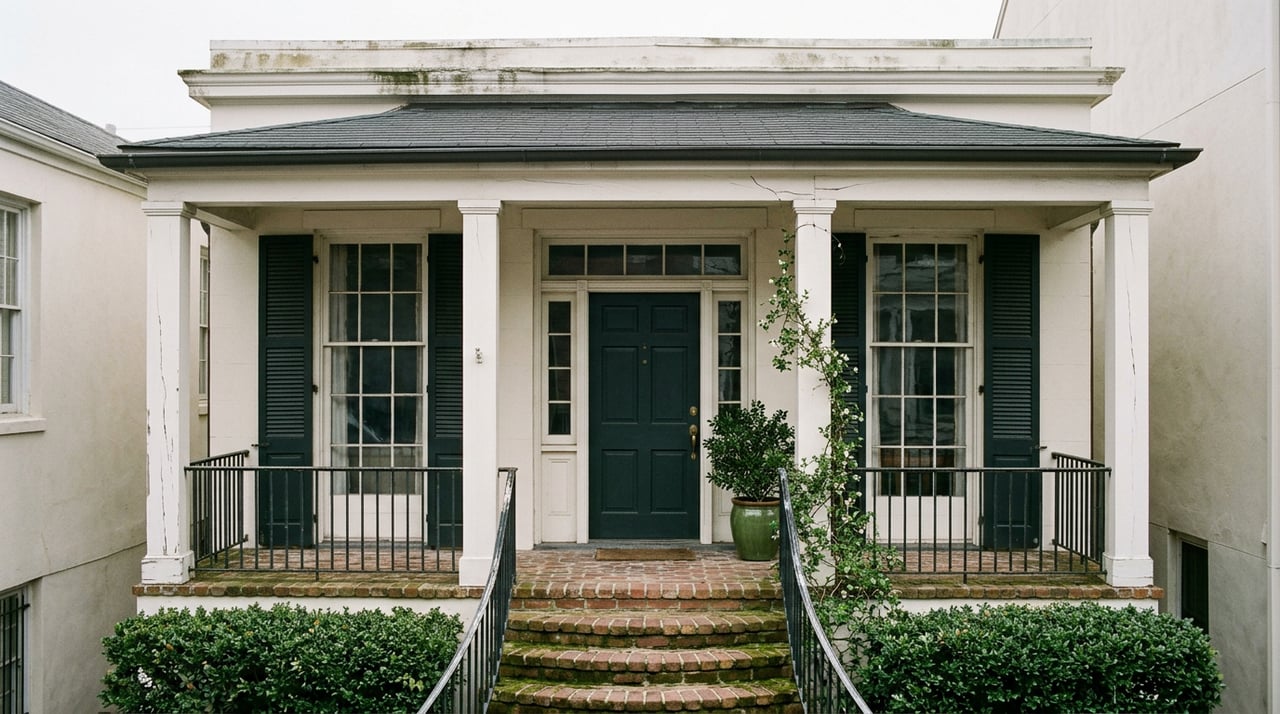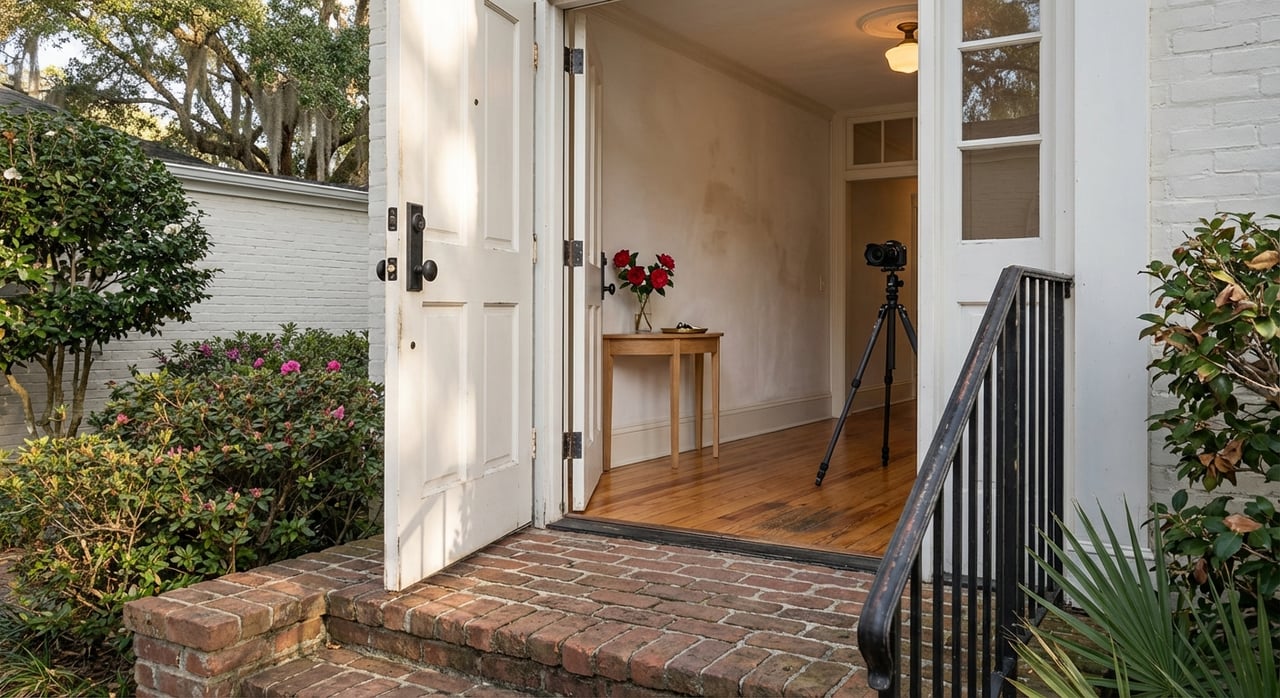
You love your home’s story, and buyers do too. But today’s Savannah buyer also expects reliable systems, clear documentation, and a smooth path to closing. If you prepare with both preservation and practicality in mind, you can protect your home’s character and strengthen your negotiating position. This guide shows you how to navigate historic rules, choose smart updates, and market your property to the right audience. Let’s dive in.
Know your district and rules
What Historic District oversight means
Savannah’s local historic districts have rules that shape what you can change on the exterior. The Metropolitan Planning Commission (MPC) keeps maps and summaries for each district, so you can confirm exactly which standards apply to your address. Review the MPC’s overview of local districts to understand how exterior work, signage, and new construction are evaluated. You can start with the MPC’s summary of Savannah’s local historic districts.
When you need a COA
Any exterior change visible from the public right of way can trigger a Certificate of Appropriateness, or COA. Typical COA items include exterior paint colors, window or door changes, porch and railing work, fencing, and new signage. The MPC explains the application process, staff and board reviews, and required documentation on its COA page. Before you schedule work, review the MPC’s guidance on how to apply for a COA and build time into your pre-list timeline.
Get your paperwork in order
If your home has had past exterior work, gather any previous COAs, drawings, or invoices. Having those files ready speeds new reviews and gives buyers confidence. The MPC also publishes topic-specific interpretations, such as masonry repointing and documentation standards, which can guide routine preservation work. If you plan exterior repairs, consult MPC policies early and consider using a preservation-experienced contractor.
Decide early on STVR and incentives
Short-term vacation rentals and your listing
If you hope to market your property to investors or reference short-term rental potential, verify eligibility first. Savannah requires an STVR certificate and allows STVRs only in designated overlay areas and some zoning districts. In the Downtown and Victorian districts, non–owner-occupied STVRs in residential areas are capped by ward, while owner-occupied units are generally exempt from that cap. Review the city’s rules and confirm whether any existing certificate is transferable using the City of Savannah’s STVR resources.
Tax credits: what applies to sellers
Federal historic rehabilitation incentives primarily serve income-producing properties. The 20 percent federal credit applies to certified historic buildings that are rehabilitated for qualified income-producing uses and must follow the National Park Service certification process. Owner-occupied residences do not generally qualify. Read the NPS overview of federal historic tax credit eligibility. Georgia also offers a state program administered with the State Historic Preservation Office; program rules and caps change over time. If a buyer or future owner intends a certified rehab, they should consult the state SHPO and a tax advisor early.
Order pre-listing inspections
Start with a full pre-list inspection
A seller-paid, pre-listing inspection helps you find issues on your schedule, price repairs with vendor quotes, and reduce late-stage renegotiations. InterNACHI supports pre-list inspections as a marketing and risk-management tool. Learn what to expect from a seller’s inspection.
Targeted checks for Savannah homes
Many Historic District homes date to the late 19th and early 20th centuries. Consider these focused evaluations:
- Structural and foundation: Pier-and-beam or shallow masonry systems can show settlement or sill rot. If you see movement or sagging, hire a structural engineer for a short report to include with your listing.
- Roof, flashing, and gutters: Water intrusion drives hidden damage. A roofer’s condition report can prevent surprise concessions.
- HVAC and mechanical systems: Central AC and dependable heat are top buyer expectations. Confirm service records or secure replacement quotes.
- Electrical: Older wiring types and limited service capacity raise safety and insurance questions. Ask a licensed electrician to evaluate service size and safety features like GFCI and AFCI where required.
- Plumbing and sewer: Galvanized and cast-iron lines may be at end of life. A sewer-scope camera inspection can identify root intrusion or collapse before buyers do.
- Wood-destroying organisms: Savannah’s humid coastal climate raises termite and rot risk. A WDO inspection and any treatment invoices help buyers trust the property’s condition. For background on WDO in humid regions, review UF/IFAS guidance on termite inspections.
- Lead-based paint: For homes built before 1978, federal rules require you to share the EPA/HUD lead-hazard pamphlet and disclose known records. Provide any test results you have and be prepared for buyers to request an inspection period. See the EPA’s overview of lead-related compliance.
- Chimneys and fireplaces: A sweep and safety check addresses common creosote and flue concerns.
Why this matters before you list
Proactive inspections let you fix safety and water issues first, present clean documentation, and set buyer expectations. Including reports, receipts, and warranties in your listing packet can build trust and reduce price erosion after the buyer’s inspection.
Balance preservation with modern living
Set priorities that buyers value
Address safety, water intrusion, and code-level hazards first. Buyers will not pay a premium for decorative upgrades if the roof leaks or the electrical panel is unsafe. Once the fundamentals are sound, you can focus on features that make historic homes special.
Preserve what makes your home historic
Character-defining elements like heart-pine floors, original mantels, period moldings, porches, ironwork, and classic window proportions are often why buyers choose the Historic District. When feasible, repair rather than replace, since local review favors retention of original materials. If windows are serviceable, consider repairs with interior storms or weatherstripping instead of visible replacements. For exterior visible changes, review the MPC’s COA guidance before you proceed.
Make reversible, high-ROI upgrades
Choose improvements that add comfort while respecting the fabric of the home:
- Mechanical systems: Replace or certify HVAC, water heaters, and electrical service. Keep maintenance records and contractor warranties.
- Kitchens and baths: Modest updates with classic materials like subway tile, shaker cabinetry, and period-appropriate lighting often resonate with buyers without clashing with the home’s age.
- Energy and comfort: Add insulation in attics and route new mechanicals through closets or crawlspaces where possible to preserve finishes.
- Exterior finishes: For paint and masonry repointing, use historically sensitive methods and document mortar profiles and materials. Review the MPC’s policy resources on masonry repointing and documentation before hiring a contractor.
Stage and market for Savannah buyers
What to highlight
Many buyers want a blend of intact historic character and reliable systems. Call out preserved features, recent system upgrades, roof or electrical improvements, termite treatments, and any restoration work with dates. If you have before-and-after photos or invoices, include them in the agent packet.
Professional media that moves the needle
Staging helps buyers visualize how they will live in your home, and professional photos consistently improve online engagement. NAR’s research shows staging can influence buyer perception and shorten time on market. See highlights in NAR’s article on how home staging affects buyers. Plan for magazine-quality interior photography, a twilight exterior, a floor plan, and a 3D tour to reach out-of-town prospects. If you use aerials, verify FAA and local restrictions and avoid shooting sensitive historic sites without permission.
Staging within Historic District rules
Interior staging is typically unrestricted. Exterior changes that permanently affect appearance and are visible from the right of way may require a COA. Virtual staging can be a cost-effective alternative for vacant homes. If you use virtual images, be transparent in the listing copy and have a plan to stage key rooms physically for high-interest showings. For clarity on exterior changes, revisit the MPC’s COA process.
Pricing and positioning that work
Understand your buyer pool
Historic homes attract a focused but motivated audience that values provenance, architecture, and walkability. Position your listing to speak to that lifestyle while addressing practical needs like updated systems and documented maintenance. When you highlight both, you broaden appeal without diluting the home’s identity.
Choose comps that reflect condition
Lean on comparables that mirror your home’s level of restoration and system updates, not just its build date. Pre-list preparation, clear documentation, and polished marketing often lead to stronger interest and fewer late concessions. A thorough inspection package and preservation-minded upgrades help buyers feel confident about offering their best terms.
Your Historic District pre-list checklist
- Confirm your district designation and request any prior COA files from the MPC. Start with the MPC’s overview of local historic districts.
- Review the MPC’s COA application steps. Build time for staff or board review before exterior work.
- Order a seller’s home inspection and targeted specialty checks: WDO, sewer scope, licensed electrician review, chimney sweep, and lead disclosure or testing for pre-1978 homes. See InterNACHI’s guide to seller inspections.
- Prioritize safety, water, roof, and structural fixes. Keep receipts and warranties for the listing packet.
- Preserve and document character features with photos and a short provenance note.
- Arrange professional interior photography, a twilight exterior, a floor plan, and a 3D tour. Consider aerials only after confirming restrictions.
- Verify STVR eligibility and certificate transferability if you plan to market the property to investor buyers. Use the city’s STVR resources.
- Assemble a seller binder with inspection reports, WDO letter, COAs, permits, receipts, and a restoration timeline.
Ready to sell with confidence
Preparing a historic Savannah home is about stewardship and strategy. When you respect preservation standards, fix the big-ticket issues, and market with intention, you invite buyers to see both the heritage and the value. If you would like a discreet consultation, white-glove pricing guidance, and a curated marketing plan tailored to your property, reach out to The Agency Savannah.
FAQs
Do I need a COA for exterior paint or windows in Savannah’s Historic District?
- Exterior work visible from the public right of way often requires a COA, including paint, windows, porches, railings, fences, and signage; confirm using the MPC’s COA guidance before you schedule work.
Can I advertise short-term rental potential when selling a Historic District home?
- Only if the property is within the STVR overlay or eligible zoning and holds or can obtain the required city certificate; verify status and transferability using Savannah’s official STVR resources before marketing.
Which inspections matter most for late 19th and early 20th century Savannah homes?
- Start with a seller’s inspection, then add WDO, roof, electrical, sewer scope, chimney, and lead disclosure or testing for pre-1978 homes to reduce surprises and support pricing.
Are there tax credits for owner-occupied historic homes in Georgia?
- The federal 20 percent historic rehabilitation credit applies to certified income-producing properties, not most owner-occupied homes; Georgia offers a state program, so consult SHPO and a tax advisor if a future certified rehabilitation is planned.
Will replacing original windows create approval or value issues?
- Repair and weatherization are generally preferred, and visible replacements often need COA approval; preserving or sensitively upgrading original sashes helps maintain character buyers value.
How should I present restoration history and maintenance to buyers?
- Provide a binder with inspection reports, WDO documentation, COAs, permits, vendor receipts, and a simple timeline of work to build trust and support your price.