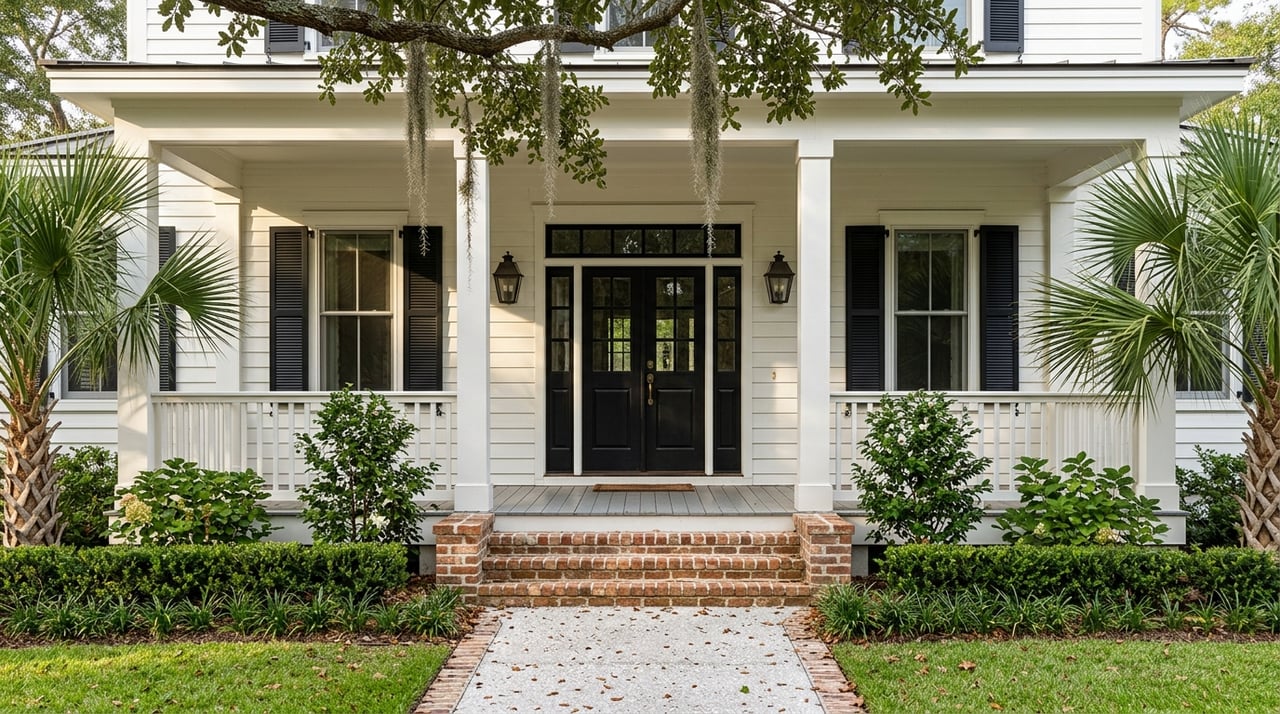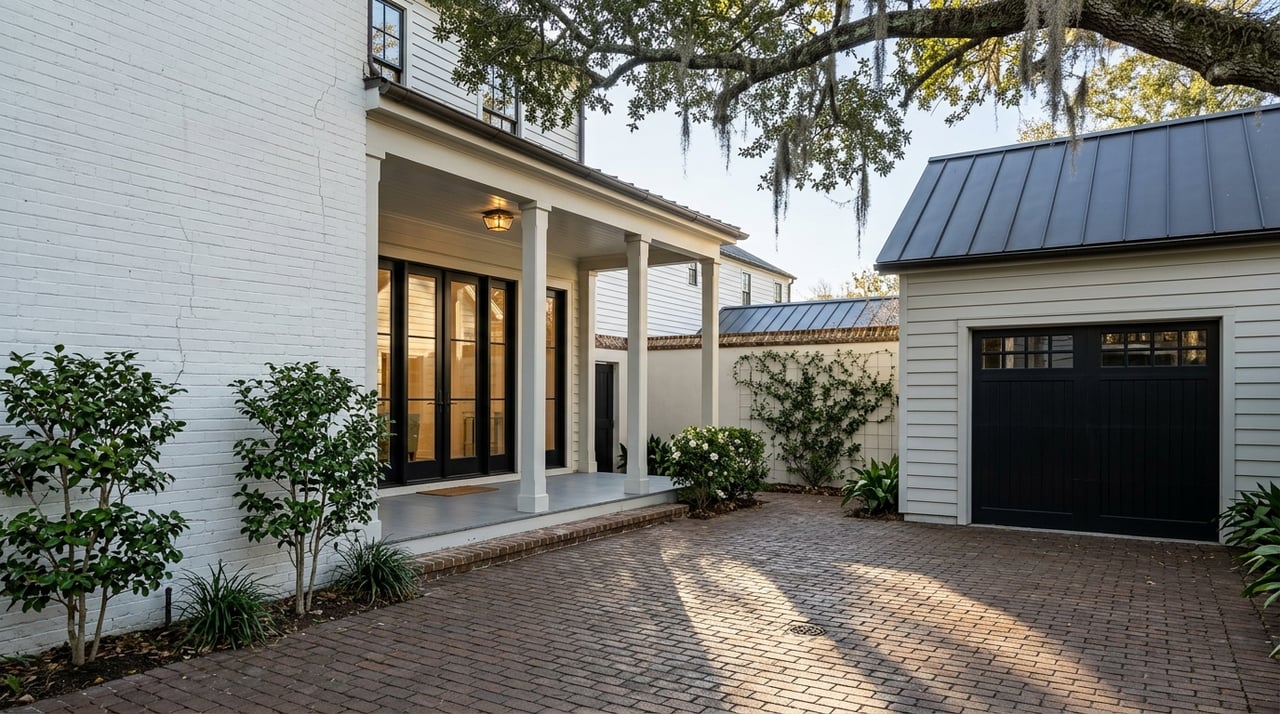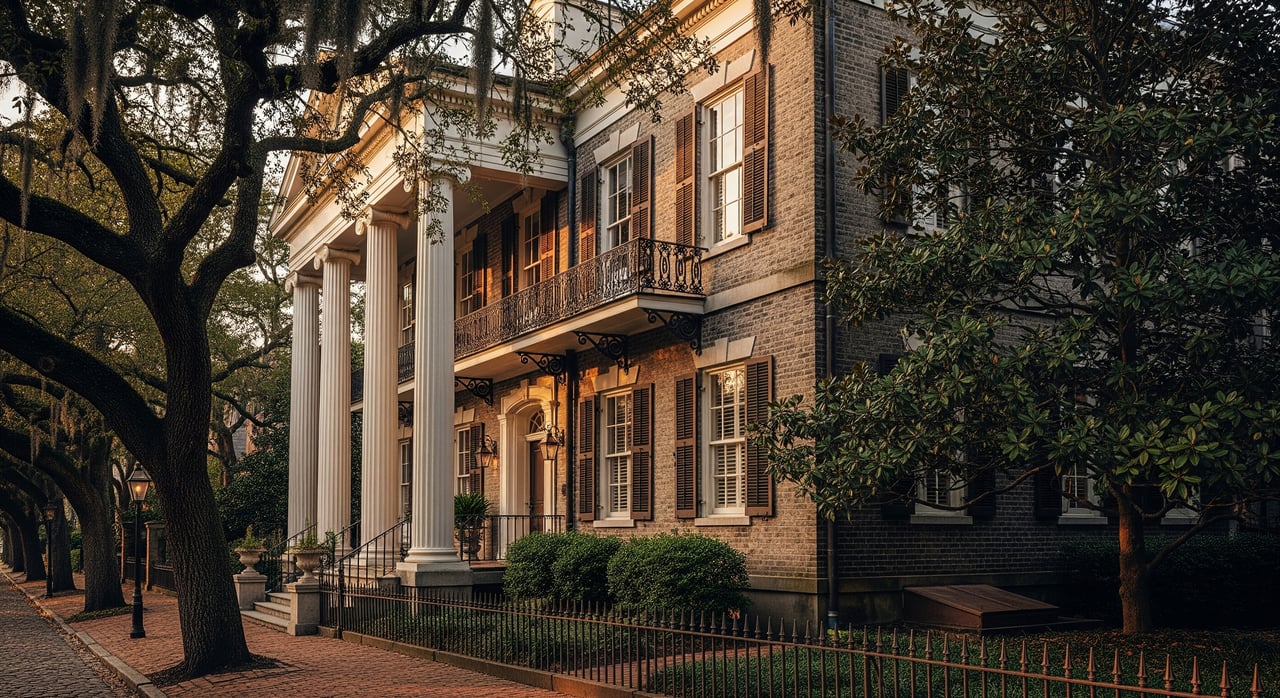
Pricing a historic Savannah home is not the same as pricing a newer build. You are balancing story, craftsmanship, and a unique micro-location around the city’s famous squares. If you get it right, you protect your legacy and your bottom line. In this guide, you’ll learn what drives value in the Historic District, how appraisers think, and the practical steps to set a confident list price. Let’s dive in.
What drives value in the Historic District
Provenance and historic significance
Your home’s history can be a real asset. Individual listing on the National Register of Historic Places or contributing status within the National Historic Landmark District often boosts interest and supports higher pricing. Documented provenance, such as original plans, historic photographs, or research reports, helps appraisers justify premium adjustments. The more complete your file, the easier it is to support value in negotiations.
If you have done work that aligns with the Secretary of the Interior’s Standards for Rehabilitation, note it. These standards guide preservation-sensitive renovations and can increase buyer confidence. You can learn more about the standards through the National Park Service’s overview of the Secretary of the Interior’s Standards for Rehabilitation.
Micro-location near the squares
In Savannah’s Historic District, small location differences can mean large pricing shifts. Views onto a square, a corner lot, and an address on Bull, Abercorn, or Drayton can command a premium. Proximity to Forsyth Park or River Street, quieter lanes, and easier access to parking also influence value. When you choose comps, stay as close as possible by square or block to capture these micro-location effects.
Craftsmanship vs. square footage
Square footage still matters, but historic craftsmanship often moves the needle. Original heart-pine floors, plaster, staircases, mantels, and moldings are hard to replicate and can support higher pricing. If you have finished or conditioned attic or basement space, document it clearly, and separate porch or piazza square footage from conditioned area. Appraisers and buyers will adjust if historic fabric has been preserved or removed.
Renovation quality and documentation
Not all updates are equal. Buyers and appraisers differentiate between cosmetic refreshes and the behind-the-wall work that keeps a historic home sound. Foundation, structural stabilization, HVAC, electrical, and plumbing upgrades can support stronger price adjustments, especially when done under permits. Keep engineer reports, contractor invoices, permits, and code-compliance certificates with photos to back up your price.
Rules, easements, and incentives
Local design review can shape both marketability and value. In Savannah, the Historic District Board of Review issues Certificates of Appropriateness for exterior changes. Clear approvals can reassure buyers that work meets local standards. You can review design-review guidance on the City’s Historic Preservation resources.
Preservation easements and covenants may affect pricing and flexibility. Some buyers view protections as a plus, while others weigh them against modernization plans. If your home qualifies, future owners may explore federal historic rehabilitation tax credits for income-producing properties. Confirm details with applicable agencies before you market these points.
Flood, insurance, and condition
Large portions of Savannah sit in coastal flood zones. Flood zone designations impact insurance costs and financing, which can narrow the buyer pool or affect price. Pull your elevation certificate and check your status using the FEMA Flood Map Service Center. Expect buyers to request termite, mold, and structural reports, and address known issues upfront to protect your list price.
How appraisers price historic homes
The main approaches you’ll see
For single-family historic homes, appraisers rely primarily on the Sales Comparison Approach. They adjust recent local sales for size, condition, location by square, historic features, and renovation quality. The Cost Approach is less useful for historic homes because reproducing original materials is not realistic. Income valuation is typically reserved for investment or short-term-rental properties.
Choosing the right comps
In the Historic District, the best comps are very close by and share the same era, architectural type, and level of historic integrity. Appraisers commonly adjust for restoration quality, landmark or contributing status, lot size, parking, proximity to squares, and functional differences in kitchens or baths. In a fast-moving market with few recent sales, documented time adjustments and thorough rationales matter.
Avoid common pitfalls
Two frequent issues can hurt value. First, relying on gross square footage without considering narrow staircases or low ceilings that affect usability. Second, non-permitted renovations or insensitive “modernizations” that remove character. You can strengthen your position by preparing a detailed dossier with permits, invoices, before-and-after photos, and a comp set based on your square or block. For more on valuation practices, the Appraisal Institute offers guidance and education on complex property types.
Smart list strategy and timing
Work with, not against, the calendar
Savannah’s tourism and events can impact showings. Spring festivals, St. Patrick’s Day, and the Savannah Tour of Homes draw visitors to the Historic District. Listing outside peak congestion can create a better showing experience. Spring and early fall often bring solid buyer activity, but rely on recent local sales data to set your timing.
Pick a pricing strategy that fits your home
- Competitive pricing: List at or slightly below strong recent comps to attract multiple offers. This works best when inventory is tight and demand is strong.
- Value-based pricing: Price to reflect documented provenance, original features, and high-quality restoration. This requires robust documentation and strong marketing to justify your number.
- Strategic premium with room to negotiate: This can fit truly unique homes with few comps, but be aware that it can lengthen time on market and invite skepticism. Use restraint and be ready to support your price with evidence.
Market the right story
Lead with your home’s strengths. Highlight documented history, original materials, and the specific square or landmark you front or adjoin. Showcase professional photography, measured floor plans, and virtual tours that make your layout clear. Staging should bring attention to architectural details rather than cover them up.
Pre-list checklist to support your price
- Assemble documentation: permits, Certificates of Appropriateness, contractor invoices, engineer reports, restoration research, and historic photos.
- Order a pre-listing inspection and, if needed, structural and termite reports. Address obvious issues or price accordingly.
- Service or replace major systems with clear ROI, such as HVAC or roofing, and keep receipts.
- Update flood information and gather your elevation certificate. Disclose floodplain status and your current policy.
- Build a comps packet focused on your square or immediate blocks. Note differences in condition, craftsmanship, and parking.
Documentation that adds real value
- Provenance file: National Register status, contributing resource documentation, research reports, and any certificates or awards. For general criteria, review the National Register of Historic Places overview.
- Preservation approvals: City of Savannah HDBR decisions and Certificates of Appropriateness to show compliant exterior work. See the City’s Historic Preservation page for process context.
- System upgrades: Detailed invoices for structural stabilization, electrical, plumbing, HVAC, and foundation work, plus permits and sign-offs.
- Measurements: Clear floor plans with conditioned vs. unconditioned areas labeled. List porch and piazza square footage separately.
- Property records: Confirm assessed values and parcel details with the Chatham County Tax Assessor. Verify that records align with your disclosures.
- Environmental and risk: Flood zone printouts from the FEMA Flood Map Service Center and any mold, termite, or moisture reports.
When to seek specialty expertise
Consider a specialty appraisal or consultation if your home has rare provenance, complex alterations, or few valid comps near your square. An appraiser experienced with Savannah’s historic properties will understand features like raised basements, piazzas, carriage houses, and original materials. A preservation architect or consultant can help you package documentation and navigate review rules. Local organizations such as the Historic Savannah Foundation provide context on preservation and community priorities that can shape buyer expectations.
Price with confidence, backed by local data
The strongest listing strategy in Savannah’s Historic District blends provenance, micro-location, craftsmanship, and clear documentation. When you lead with proof and align your timing with market conditions, you set the stage for a smoother appraisal and stronger offers. If you want a comp-backed starting point tailored to your square or block, request an instant valuation that pulls recent local sales and adjustment notes for historic features.
Ready to position your Historic District home for a premium result? Request your instant home valuation or schedule a private consultation with The Agency Savannah. Our boutique, white-glove team pairs deep local expertise with creative marketing and technology to help you price with confidence and present your home’s story the right way.
FAQs
Does Historic District status increase value?
- It often enhances desirability and helps protect neighborhood character, which can support value, but restrictions, flood risk, and insurance costs can offset premiums, so use very local comps to assess impact.
How do appraisers treat historic renovations?
- Sensitive, documented work that preserves historic fabric typically supports higher adjustments, while non-permitted or unsympathetic changes can reduce credited value and complicate appraisal.
How should I count porches and piazzas in square footage?
- Report conditioned and unconditioned areas separately, list porch or piazza square footage on its own, and include measured floor plans to avoid confusion.
Should I disclose non-permitted work before listing?
- Yes, disclose and document everything; nondisclosure can create legal and appraisal problems, so remediate or obtain permits when possible.
Are tax credits available for historic homes?
- Federal historic rehabilitation tax credits may apply to qualifying income-producing properties, and state or local incentives vary, so confirm eligibility with the appropriate agencies before marketing them.
How does flood risk affect pricing in the Historic District?
- Flood zone designations influence insurance and financing, which can narrow the buyer pool or affect value; verify your status via FEMA maps and disclose elevation and policy details in your listing.