What does a day actually feel like inside The Ford Field & River Club? If you are weighing a Lowcountry second home or a long-term legacy property, you want more than a brochure view. You want to understand the rhythm of life: morning marsh light, a strategic round of golf, time on the water, relaxed dining, and a community that fits your goals. This guide walks you through the signature experiences at Ford, the membership framework to consider, and practical due diligence so you can move forward with clarity. Let’s dive in.
The Lowcountry setting in 31324
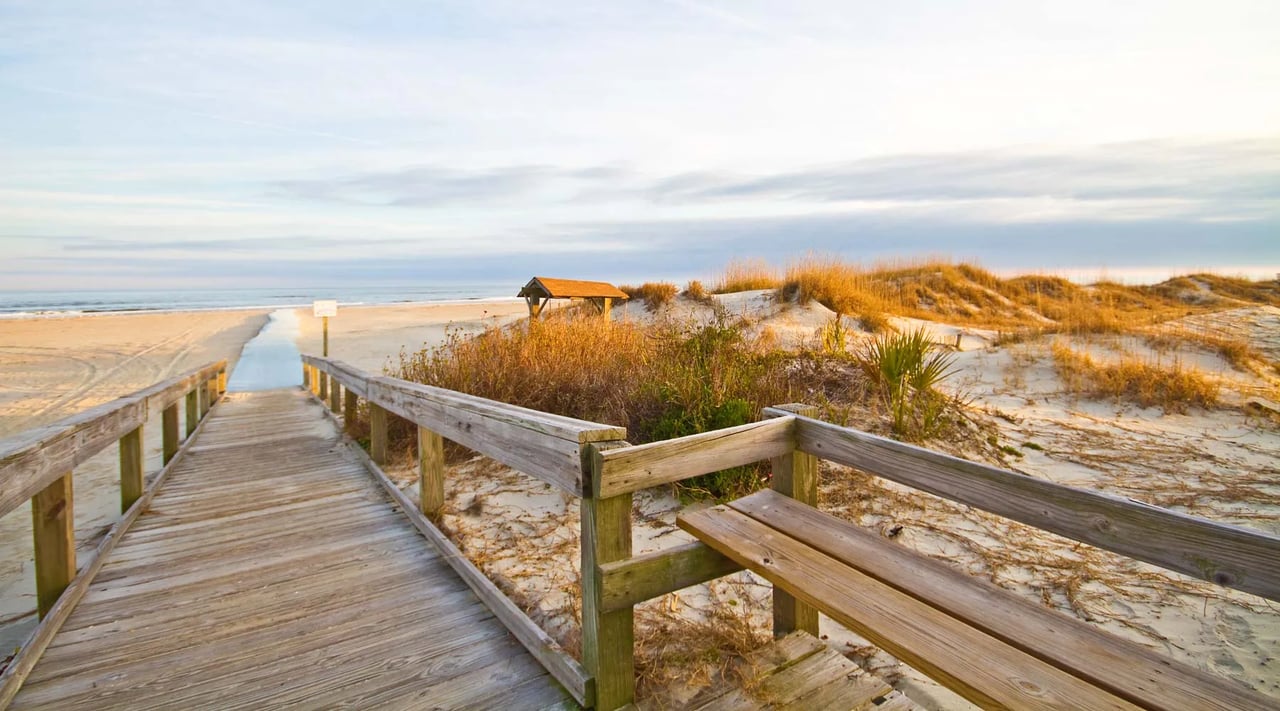
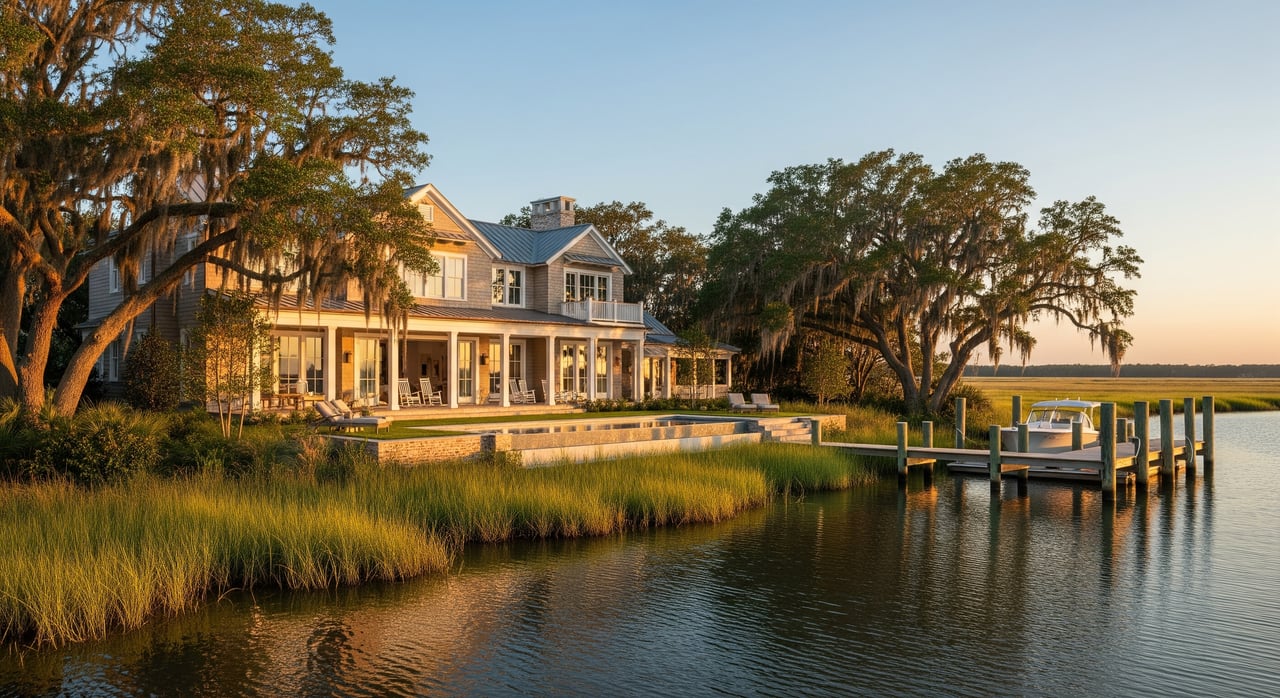
Set along tidal rivers and salt marshes in Bryan County’s 31324 ZIP, Ford sits within classic Lowcountry terrain. You see long water vistas, live oaks with Spanish moss, and broad skies that change with the tides. Wildlife is part of the daily backdrop, from wading birds along the marsh edges to ospreys patrolling the waterways.
The climate is humid subtropical. Summers are hot and humid, while winters are generally mild. There is a seasonal risk of tropical systems. For you as a buyer, that means factoring in maintenance planning, insurance conversations, and smart building choices that suit a coastal environment.
Location matters for everyday convenience. From this part of coastal Georgia, you can access Savannah’s urban amenities, medical care, and regional airports, along with major interstates. Seasonal tourist traffic can affect nearby arteries, so consider time-of-day patterns when you plan. A local agent can help you map real-world drive times that fit your lifestyle.
Golf that rewards strategy
If you are a golfer, the course experience is a central part of Ford’s appeal. Buyers often seek the strategic, risk‑reward style that many associate with Pete Dye’s design ethos: memorable routing, smart angles, and a course that rewards creative shotmaking. That style supports both a destination-worthy round for guests and a walkable everyday routine for residents.
You can expect a full club culture around the course. Think well-kept practice areas, a pro shop that understands player development, and programming that makes it easy to plug in. Instruction and junior golf options are typical at private clubs of this caliber, and member events help you meet neighbors on and off the tee. If course specs and rankings matter to you, plan to verify architect attribution, holes, par, yardage, and any recent accolades directly with the club.
Deep‑water marina access
For boaters, deep‑water slips and direct access to the coastal system are lifestyle game changers. At Ford, the marina setting supports larger‑boat ownership, saltwater cruising, and easy days on the Intracoastal and surrounding tidal rivers. That convenience is a major draw for second‑home buyers who build their schedules around time on the water.
When you evaluate marina fit, consider the details that matter to your vessel and routine. Depth at mean low water, slip sizes, fuel and pump‑out availability, transient policies for visiting friends, and on‑site services all shape your experience. Permitting and tidal constraints can affect operations, so confirm specifics with the marina team before you finalize a purchase.
Equestrian life along the marsh edge
Equestrian amenities add another dimension to the outdoor lifestyle at Ford. On‑site stables, arenas, and trail networks through maritime forest bring a sense of pace and connection to the land. Riders value shaded routes, coastal breezes, and the variety of settings you only find in the Lowcountry.
If riding is central to your decision, ask about boarding capacity, lesson programs, farrier and veterinary access, and any show or clinic offerings. Trail rules and seasonal conditions are important in marsh‑adjacent areas, so make sure the network and management approach align with how you like to ride.
Wellness, fitness, and year‑round recreation
A complete club lifestyle extends beyond golf and boating. You will find a wellness and fitness culture that supports every season: spa services, well‑equipped fitness spaces, and programming that ranges from strength training to mind‑body classes. Pools, tennis, and pickleball give you easy options for daily movement and multi‑generational fun.
As you evaluate, ask about on‑site facilities, class schedules, access rules for different membership types, and whether there are partnerships with local therapists or practitioners. Personal training and small‑group formats are common at high‑service clubs and can help you build a routine fast.
Dining, gathering, and everyday ease
Dining is where the social life comes together. Clubhouse venues and casual waterfront options make it simple to host friends, entertain visiting family, or grab an easy dinner after a day on the water. Private dining rooms, chef‑led events, and seasonal menus add variety without leaving the community.
Confirm the number of venues, reservation policies, and any private event capabilities that matter for your plans. If you like to entertain often, ask about scheduling lead times and whether the club offers catering support for in‑home gatherings.
Membership: how it typically works
Membership structures vary by private club, and it is important to understand the framework before you buy. Many clubs offer tiers, such as Social, Sports, Golf, Equestrian, and Marina‑focused memberships. Some programs are equity based with voting rights, while others are non‑equity. Benefits, guest access, and reservation priority usually scale by tier.
Key questions to ask the membership office:
- Is membership required with a home purchase, and if so, which tier?
- What are the initiation, dues, and any food and beverage minimums by tier?
- Do memberships transfer with the sale of a home? Are there waitlists?
- Are there trial or legacy family options?
- How are golf tee times, marina slips, dining reservations, and equestrian facilities prioritized?
Onboarding often includes an orientation, help with app or portal access, guest policies, and locker services. Some clubs offer reciprocal access to sister clubs, which can add travel benefits. If you are a part‑time resident, ask about concierge and seasonal services that simplify ownership.
Ownership, HOA, and ongoing costs
Plan for two categories of carrying costs: community HOA obligations and club membership costs. HOA dues typically cover shared infrastructure and neighborhood standards, while club dues support amenities like golf, dining, wellness, marina, and equestrian services. Capital assessments can arise for future improvements, so ask about past and planned projects.
Other budget items to plan for include property taxes, homeowner’s insurance, and coastal coverages such as wind and flood insurance. Billing cycles and typical annual increases vary. If you are modeling a long‑term hold, ask for several years of historical dues changes to understand trends.
Rental policies can be a deciding factor for second‑home buyers. Confirm whether short‑term or long‑term rentals are allowed, if there are minimum stay rules, and how guest access to club amenities works under a rental. Some communities place limits to preserve the member experience.
Who Ford fits best
- Second‑home buyers. You get easy access to water, golf, and wellness without managing separate memberships in town. The community setting and on‑site services make seasonal use simple, and the lifestyle scales for quick weekend trips or longer stays.
- Legacy buyers. Marsh‑facing and river‑adjacent homes can anchor long‑term family plans. If you value privacy, acreage, guest accommodations, and a multi‑generational club culture, Ford aligns with a legacy mindset.
- Active lifestyle owners. Boaters, riders, golfers, and wellness‑focused buyers find depth here, along with nature lovers who want a daily connection to Lowcountry ecology.
If you are relocating full‑time, the club setting offers strong social integration and predictable routines. If you are buying a second home, look for lock‑and‑leave features, property management options, and clear rental guidelines if income flexibility matters.
Practical due diligence for coastal buyers
Buying in the Lowcountry comes with a few extra steps that protect your investment. Use this checklist as a starting point:
- Flood and storm risk. Review FEMA Flood Insurance Rate Maps and, for specific homesites, request elevation certificates. Ask which lots fall within VE or AE zones and what that means for building elevation and insurance pricing.
- Coastal and environmental factors. Shoreline and marina infrastructure typically involve state coastal permits and U.S. Army Corps approvals. Understand any conservation easements, marsh buffers, and setback rules that affect views and future improvements.
- Insurance. Work with a local broker experienced in coastal Georgia for wind and flood coverage options. Ask about deductibles, carrier appetite, and mitigation credits for fortified roofs or elevated construction.
- Utilities and site design. Confirm whether homes connect to sewer or septic, review utility easements, and understand building setbacks. Tree protection and landscaping buffers can shape your site plan.
- Architectural guidelines. Request the community’s design covenants, including exterior material standards, height limits, and approval timelines. A clear path with the architectural review board will keep your build or renovation on track.
- Transportation and services. Map evacuation routes, confirm proximity to hospitals, and ask about emergency response times. This is important whether you are seasonal or full‑time.
Visualizing the Ford lifestyle
The Lowcountry rewards slow mornings and golden‑hour evenings. Picture aerial views over winding marsh creeks, the golf course routing laid out like a green ribbon, and boats easing out at sunrise. On land, imagine trail rides through maritime forest and quiet moments beneath live oaks.
When you tour, take photos that help you remember the feel of the place:
- Golden‑hour marsh reflections with long sightlines.
- Signature golf features like bridge crossings or distinctive bunkering, ideally with players for scale.
- Marina life at dockside, from casual gatherings to launch scenes.
- Wellness and dining spaces in action, with candid shots that capture the club’s social energy.
- Seasonal wildlife moments, from herons in the shallows to ospreys above the river.
Always confirm photography rules in private club settings and respect member privacy.
How to move forward with confidence
A great fit at Ford starts with clarity on lifestyle priorities and practical details. Define what matters most to you first: deep‑water access, a strategic golf routine, equestrian facilities, wellness programming, or a specific social cadence. Then align membership tier, home type, and carrying costs with those priorities.
If you want guidance that blends local expertise with polished, high‑touch service, our team is ready to help. We can share market intelligence across the Savannah–Lowcountry region, discuss due diligence for coastal ownership, and position you to act quickly when the right opportunity appears.
Ready to explore whether The Ford Field & River Club fits your goals? Connect with The Agency Savannah for a private consultation.
FAQs
Is club membership required at The Ford Field & River Club?
- Membership requirements vary by community and tier; confirm directly with the club whether membership is mandatory with a home purchase and which categories apply.
What does a “Pete Dye‑style” golf experience mean for playability?
- Expect strategic, risk‑reward shotmaking with memorable routing and angles that reward creativity; verify architect attribution, hole count, par, and yardage with the club.
Can I keep a large boat at the Ford marina?
- Deep‑water access is a core amenity, but you should confirm slip availability, sizes, depth at mean low water, and service offerings with the marina team for your vessel.
Are short‑term rentals allowed inside the community?
- Rental policies are community specific; ask for HOA covenants and rules to learn whether short‑term or long‑term rentals are permitted and how guest access to amenities works.
What ongoing costs should I plan for beyond the mortgage?
- Budget for HOA dues, club membership dues and minimums, property taxes, and coastal insurance like wind and flood; request recent dues schedules and any capital assessments.
How hurricane‑ready is the community and area?
- Coastal Georgia has a seasonal storm risk; evaluate elevation certificates, building standards, evacuation routes, and insurance options with local experts before you buy.
How close is Ford to Savannah and regional airports?
- Ford offers convenient access to Savannah’s amenities and airports, but real‑world drive times depend on routes and traffic; map several trips at different times of day for accuracy.