Drive past the north end of Skidaway Island on almost any weekday morning and you will find a double fence, an open-air pavilion, and someone kneeling in a raised bed with a hand trowel, no golf cart parked nearby, no clubhouse in sight. This is Skidaway Farms, two acres of leased land that has nothing to do with tee times, dining reservations, or the tiered membership structure that governs most of what happens inside The Landings' gates.
That distinction matters more than it sounds. Nearly everything else on the island runs through The Landings Club: six golf courses, thirty-one tennis courts, the clubhouse restaurants, the wellness center. Access to those requires a membership tier, and the tiers determine what you can use. The farm doesn't work that way. It was built for every resident of Skidaway Island, not just the households inside The Landings' gates, which means farmers from the neighboring Modena Island and South Harbor communities work plots alongside Landings residents on the same soil. On an island organized almost entirely around gated access and club tiers, two acres of vegetable beds are the one shared space where none of that applies.
A Garden the Developer Didn't Build
Skidaway Farms opened in 2011 on land that used to be a sod farm for The Landings Club, and the way it came together says something about how residents here spend their time. This wasn't a developer amenity dropped into a master plan. A small group of residents negotiated the lease, then built the thing themselves. Paul Kurilla, then head of the island's Public Works, is credited with more than 500 volunteer hours getting the garden built. Chris Johns of Valley Crest designed and installed the irrigation system pro bono. Skidaway Audubon and The Landings Club backed the project early, and the opening ceremony specifically honored the residents who raised the funds and pushed the paperwork through.
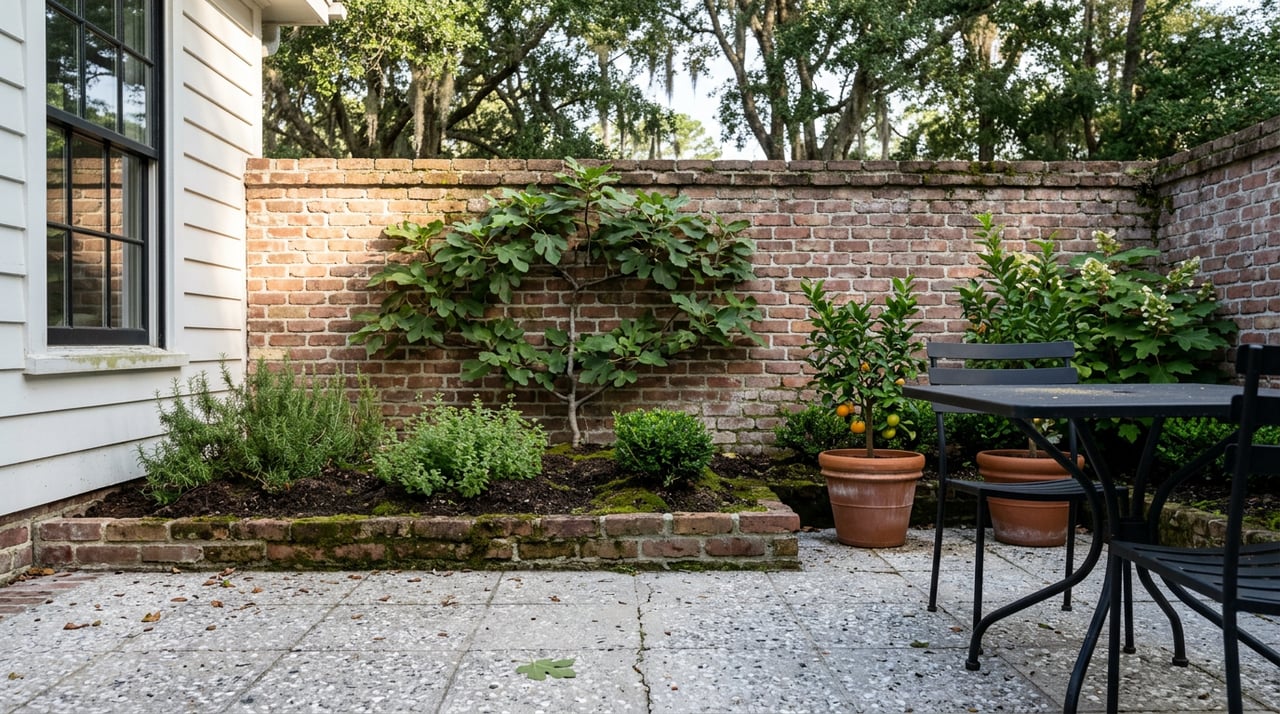
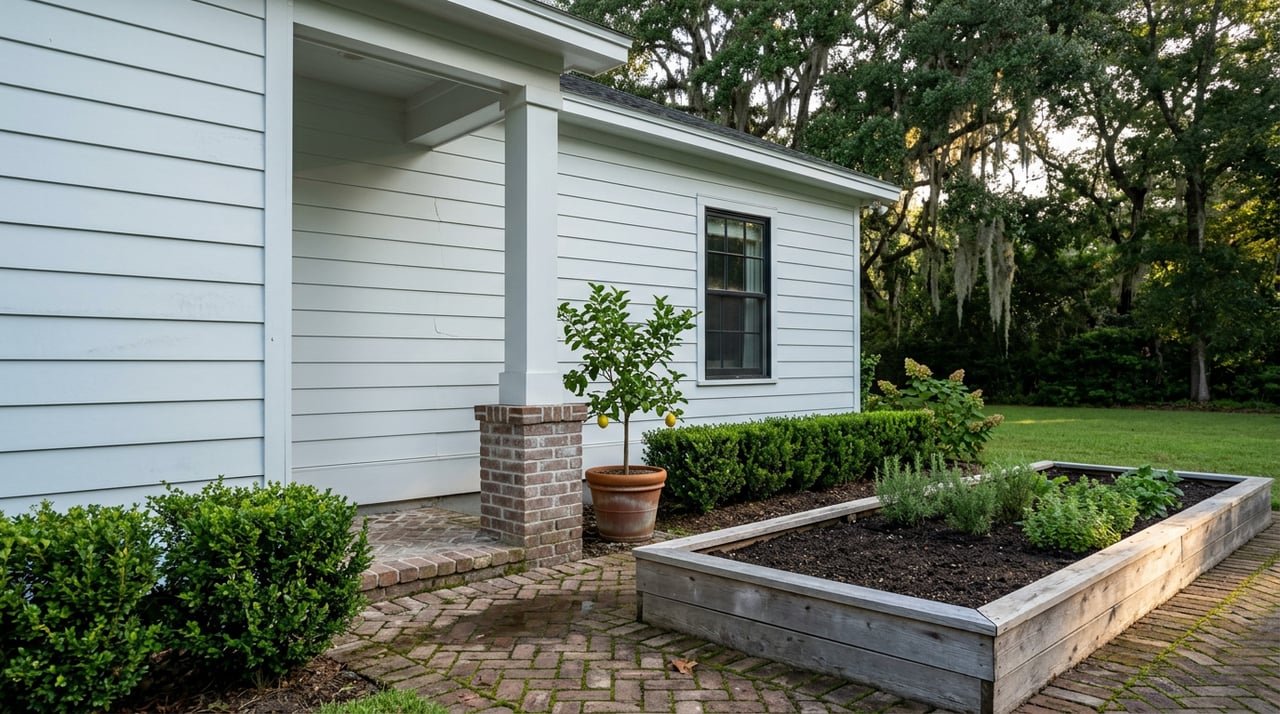
The physical details reflect that same DIY practicality. A double fence encloses the property, with the outer fence electrified at night, a plain necessity on an island where deer pressure is constant and unmanaged gardens rarely survive a season. Overhead irrigation covers the open plots, and each raised bed has its own mini sprinkler line, so a farmer traveling for a week doesn't come home to dead tomatoes. A covered pavilion gives everyone a shaded place to sit, trade seedlings, or wait out a Lowcountry downpour.
What's Actually Growing Here
The farm currently holds 180 individual 10-by-20-foot plots, along with a set of raised beds for gardeners who want something lower-maintenance, and a communal herb and flower garden that anyone can use without leasing a private plot. Here's the detail that ties the garden back to the rest of island life: the herbs grown in that shared bed go to the chefs at The Landings Club, feeding straight into the same clubhouse kitchens that plate dinner at Deer Creek or Osteria Oakridge. A tomato started in a plot at Skidaway Farms and a scallop dish served at the clubhouse are closer to each other than most residents probably realize.
| Growing Space | Format | Best For |
|---|---|---|
| Individual Plot | 10 ft x 20 ft, leased annually | Residents who want dedicated row space for vegetables |
| Raised Bed | Elevated, individual irrigation | Gardeners who want lower-maintenance growing |
| Communal Herb & Flower Garden | Shared, no lease required | Anyone who wants to garden without committing to a plot |
| Children's Garden Program | Weekend sessions, guided | Families introducing kids to growing food |
The Bees and the Bigger Push
On-site beehives do double duty at the farm, producing honey and pollinating the vegetable beds, and they're part of a larger conservation effort that extends well past the fence line. Skidaway Audubon, the organization that helped found the farm, also maintains the Dave Scott Bluebird Trail, a network of 185 monitored bluebird boxes running alongside every golf course on the island, one of the largest such trails in the Southeast. The group's Pollinator Berm at Sparrow Field hosts more than 100 species of flowering plants that draw close to 200 documented species of bees, wasps, butterflies, and dragonflies.
None of this is incidental. Fourteen resident-led groups, representing more than 1,000 people on the island, worked together on a multi-year application for Audubon International Certified Sustainable Community status, and Skidaway Farms is one of the concrete programs that effort points to. It's a useful reminder that the marsh views and oak canopies residents came here for don't maintain themselves. They're the product of an unusually organized, unusually patient group of neighbors who treat conservation as an ongoing project rather than a marketing line.
The Timing That Matters Right Now
Lowcountry gardening doesn't follow the calendar most transplants grew up with. The Children's Garden Program has historically run on two overlapping sessions each year: a spring and summer stretch that wraps by planting a cover crop in early summer, and a fall and winter stretch that has typically opened at the end of September and continued into February. That fall opening lines up with when a lot of the real productive growing happens here, thanks to mild coastal winters. For a resident weighing whether to sign a child up for the program or take on an individual plot, late August is a reasonable window to start asking before spots fill for the season.
The Children's Garden Program runs on Saturday mornings under the guidance of experienced volunteer farmers, walking kids through soil health, watering schedules, and the difference between a weed and a seedling that just needs more time. It's a small, specific thing, but it's also one of the few structured ways for island kids to spend a weekend morning outdoors that doesn't involve a golf cart or a swim lesson.
Why This Two Acres Says Something Larger
Most of what gets written about life on Skidaway Island focuses on the golf courses, the marinas, the clubhouse dining rooms, all real, all worth knowing about, and all gated behind a membership structure that sorts residents by tier. Skidaway Farms breaks that pattern entirely. It's resident-built, resident-run, open to neighbors regardless of which gate they live behind, and tied into a conservation effort that's bigger than any single amenity. For anyone who already calls this island home, it's worth a look before the fall plots fill up.
Whether you're already tending a row at Skidaway Farms or you know someone weighing a move to Skidaway Island or another corner of the Lowcountry, The Agency Savannah works this market from downtown Savannah to the barrier islands. Request an instant home valuation or schedule a private consultation when the conversation turns from garden plots to real estate.